Electricity grid flexibility dispatch
A flexibility platform converts an agreed power request into time-limited equipment commands. Grid operators see the request, confirmed acceptance and measured effect separately; equipment operators retain responsibility for local safety.
Follow the design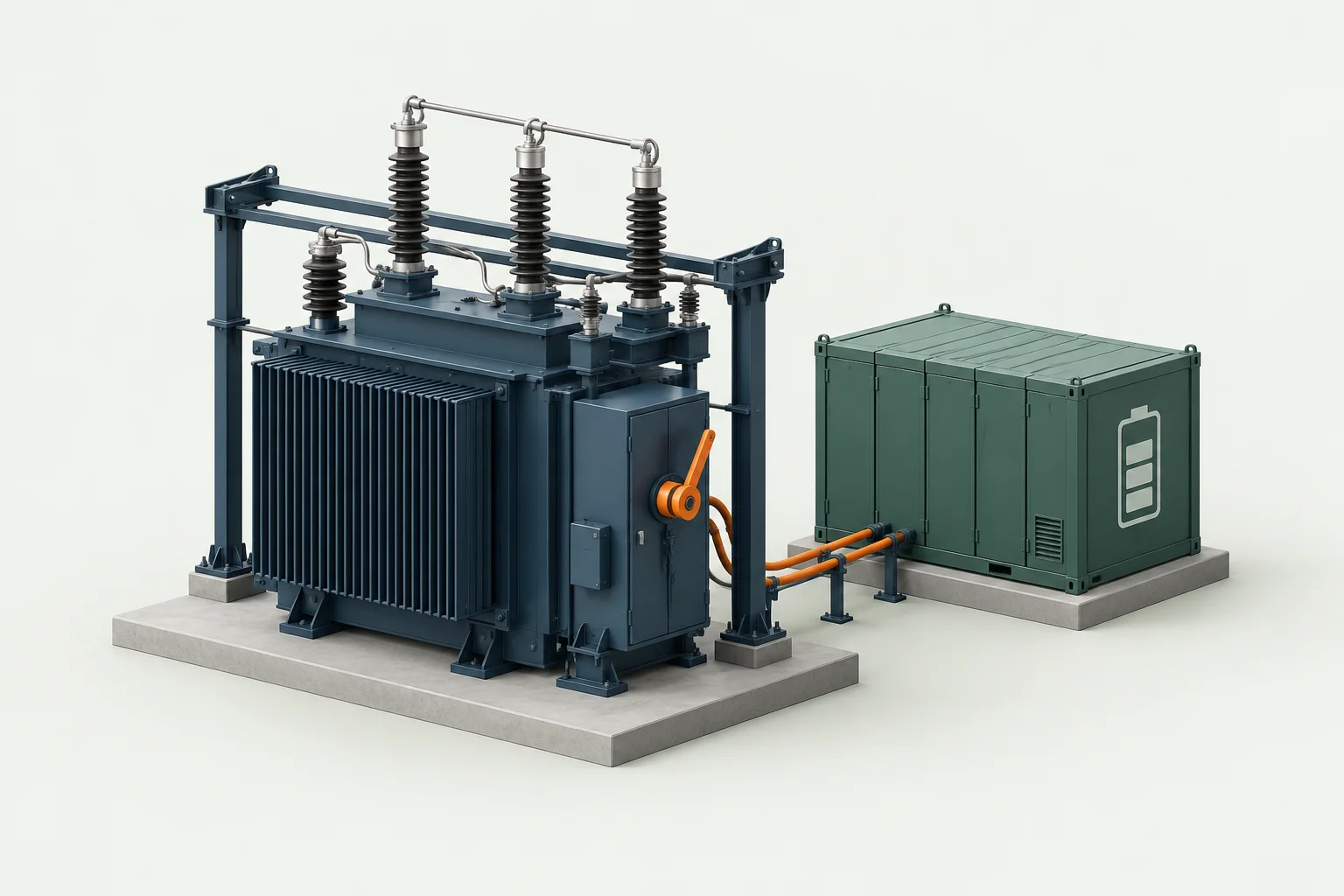
Business workflow
A flexibility platform converts an agreed power request into time-limited equipment commands. Grid operators see the request, confirmed acceptance and measured effect separately; equipment operators retain responsibility for local safety.
These questions are answered by the case
- Controllable equipment with an agreed power range
- 15-minute dispatch
- UTC time window
- Local safety limits and measured effects
These questions remain open
- Protection systems
- Primary frequency control
- Market bids and evidence of compliance with specific energy regulations
Agree flexibility
Grid operations requests an agreed reduction.
Apply time-limited control
Equipment control checks the command against local limits.
Evidence the effect
Equipment operations investigates deviations and closes the dispatch with evidence.
Domain subsystems and their interactions
Agreed flexibility → time-limited control → evidenced effect. The platform converts agreed power requests into time-limited equipment commands. Grid operations sees requests, accepted commands and measured effects separately; equipment operations retains local safety responsibility.
Grid operations requests agreed flexibility for a time window. Equipment operations owns local limits and investigates missing effects. Flexibility dispatchers check availability and track dispatches. Platform operations runs transmission and measurement ingestion. Equipment control validates commands locally and executes them within safety limits.
Availability
Binds agreed kW and time window.
Described in the designDispatch planning
Reserves available flexibility.
Described in the designControl contract
Assigns command generation and expiry time.
Described in the designMeasurement quality
Checks time, unit and quality.
Described in the designEffect assessment
Compares requested and evidenced behaviour.
Described in the design
Tasks and responsibilities
A flexibility platform converts an agreed power request into time-limited equipment commands. Grid operators see the request, confirmed acceptance and measured effect separately; equipment operators retain responsibility for local safety.
Binds agreed kW and time window.
Reserves available flexibility.
Assigns command generation and expiry time.
Checks time, unit and quality.
Compares requested and evidenced behaviour.
Practical examples
- Federal Network Agency · Controllable consumption facilities ↗
Professional primary source for control types and local facilities; the abstract flexibility case does not represent a complete §14 a implementation.
A fictional design with controllable equipment and an agreed power range; 15-minute dispatch; UTC time windows; local safety limits and measured effects. Figures and quality targets are illustrative test assumptions. Protection systems, primary frequency control, market bids and evidence of specific energy-regulation compliance remain outside its scope.